
Funding Future Cancer Researchers in North Wales
Junior doctors in North Wales are embarking on an exciting journey in cancer research, thanks to new funding from North West Cancer Research.
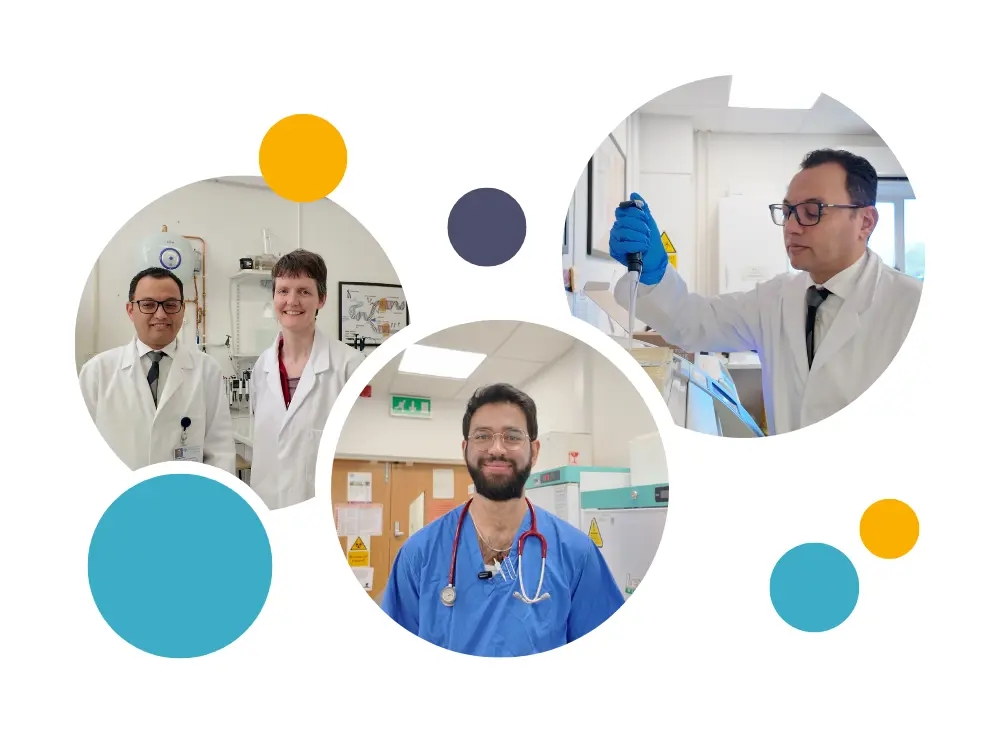
Junior doctors in North Wales are embarking on an exciting journey in cancer research, thanks to new funding from North West Cancer Research.
Betsi Cadwaladr University Health Board will offer eight junior doctors the chance to pursue a Master of Research (MRes) degree through the Maelor Academic Unit of Medical and Surgical Sciences in Wrexham, nurturing advanced skills and encouraging innovative cancer research.
About the Programme
Each year, two junior oncology doctors will undertake cancer research projects, led by Professor Stephen Hughes. Unlike taught master’s degrees, the MRes emphasises independent study and research methodologies, providing valuable training for career progression.
In their first year, the students will complete modules focused on discovery and, by the end of the year, will choose a research title. While all projects must involve cancer, students have the flexibility to choose topics aligned with their interests and specialisms.
This course is one of five available through the Maelor Academic Unit of Medical and Surgical Sciences. The unit aims to encourage and support research within the Health Board and promote academic activity across North Wales. It offers lifelong learning for health professionals and maintains strong connections with universities nationwide in what Professor Hughes calls a “pan‑Wales approach” to research and development.
As Director of the Maelor Academic Unit, Professor Hughes guides students throughout their MRes journeys. His research focuses on prostate and bladder cancers, and he currently leads a study developing new screening tools for the early diagnosis of prostate cancer. Reflecting on the wider impact of the course, Professor Hughes notes:
“This funding provides an excellent opportunity for doctors to undertake an MRes, gain a postgraduate qualification, and conduct research involving cancer patients. We genuinely feel it will help train the next generation of consultant oncologists and provide a springboard for them to one day develop their own cancer research projects and groups.”
Supporting Lifelong Learning and Career Development
Lifelong learning is essential for healthcare professionals to stay up to date with modern technologies and treatment methods. By developing new skills and knowledge, doctors can provide the highest standard of patient care while adapting to the changing landscape of medicine.
The MRes offers not only advanced research training, but also hands‑on lab experience. Dr Joanne Cooper is a junior doctor in her second year of the MRes. She described the impact of this practical learning on her clinical work:
“The experience of actually being in the lab and doing those tests has just given me a much greater understanding of the relevance of those tests in clinical practice.”
Programme Director Professor Iqbal Shergill also highlighted the significance of the funding and the real‑world benefits of the research being carried out:
“The support from North West Cancer Research is enabling our junior doctors to carry out studies that will benefit patients in the future. We’re already researching prognostic and surgical outcome markers in bladder cancer, with similar work underway in breast cancer. With continued support, we hope to expand this to prostate cancer — the most common cancer in the UK.”
Professor Hughes hopes the programme will enable participants to progress to consultant roles or establish themselves as active cancer researchers, leading innovation in their fields and improving patient outcomes.
The funding provided by North West Cancer Research covers tuition fees and consumables for the next five years. The part‑time courses run over two years, with four cohorts planned in total. The Academic Unit is soon moving to a new facility that will offer additional space and resources to support cancer research and patient care in North Wales and beyond.